Podcast + Academy

Where Researchers Grow, Teams Improve, and Science Gets Stronger

A new science podcast hosted by Dr. Nevena Jeremić - Associate Professor of Pharmaceutical Chemistry at the University of Kragujevac. Conversations about life in science, redox biology and cardiometabolic research.

Follow me on YouTube
Dr. Nevena Jeremić

Dr. Nevena Jeremić

Associate Professor · Pharmaceutical Chemistry

81+

Publications

1749

Citations

22

h-index

Source: Scopus

Welcome

Welcome to LabLifeHub

LabLifeHub is a science communication and education platform built around real research life - from laboratory work and academic development to conversations with scientists, clinicians and innovators.

The platform brings together LabLifePodcast episodes, YouTube videos, research-focused resources, LabLifeAcademy workshops, online lectures, consultations and opportunities to book podcast guest appearances or scientific education sessions.

The goal is to make science more visible, useful and connected - while keeping the content grounded in Dr. Nevena Jeremić’s research, teaching and international collaboration.

Be a guest

Research

Pharmaceutical chemistry, redox biology & cardiometabolic science.

Learn more →

Podcast

Conversations about science, careers and the real life behind research.

Learn more →

Academy

Workshops, research design and scientific writing.

Learn more →

Book a session

Podcast guest, workshops, lectures or consultations.

Learn more →

Podcast

Latest episodes

Follow me on YouTube

Research

Research at a glance

Cardiovascular protection

Molecular mechanisms of cardioprotection and ischemia-reperfusion.

Redox biology

Redox signaling and oxidative stress in disease.

Pharmaceutical chemistry

Drug-target interactions and novel compounds.

LabLife moments

Science, teaching and the lab

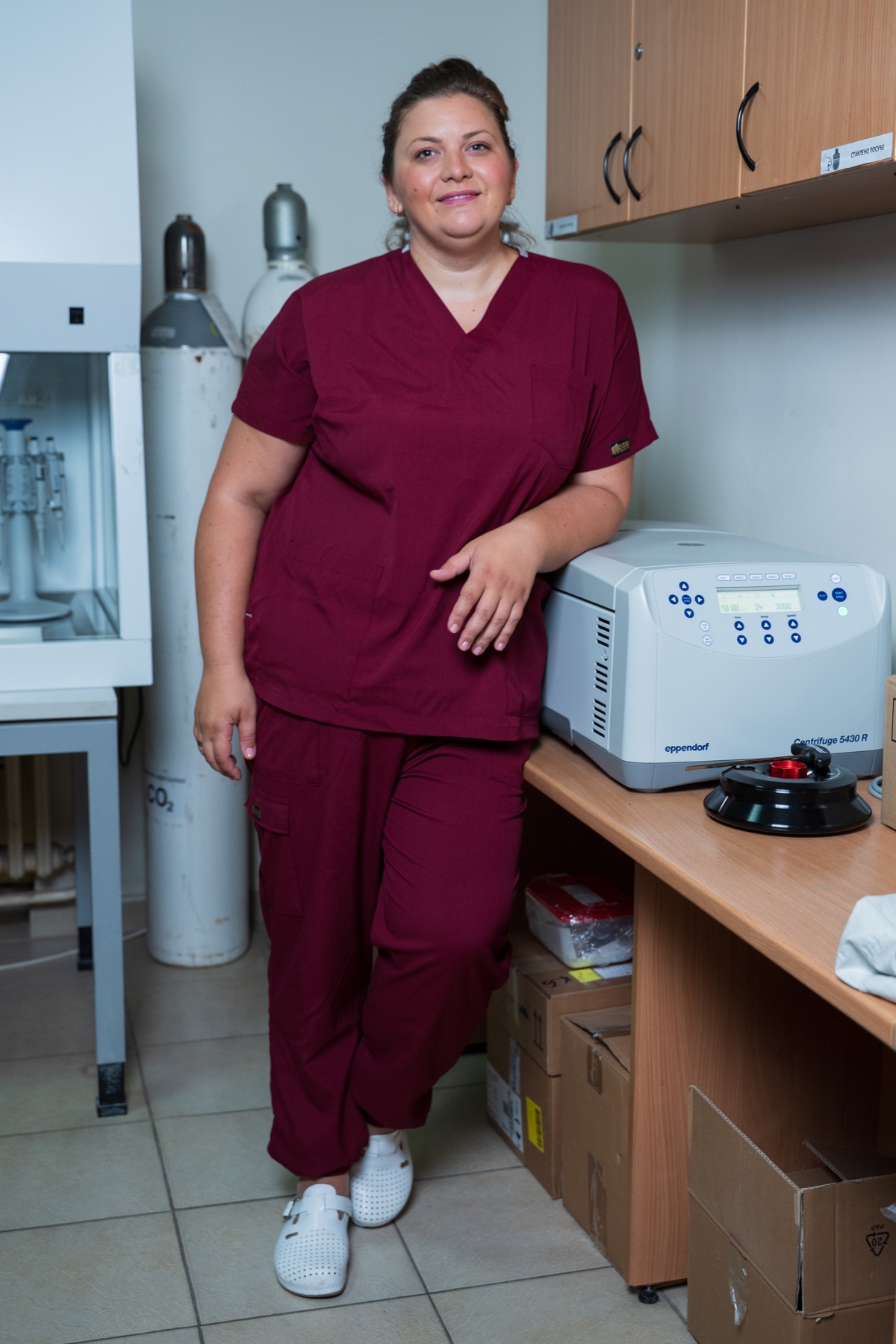
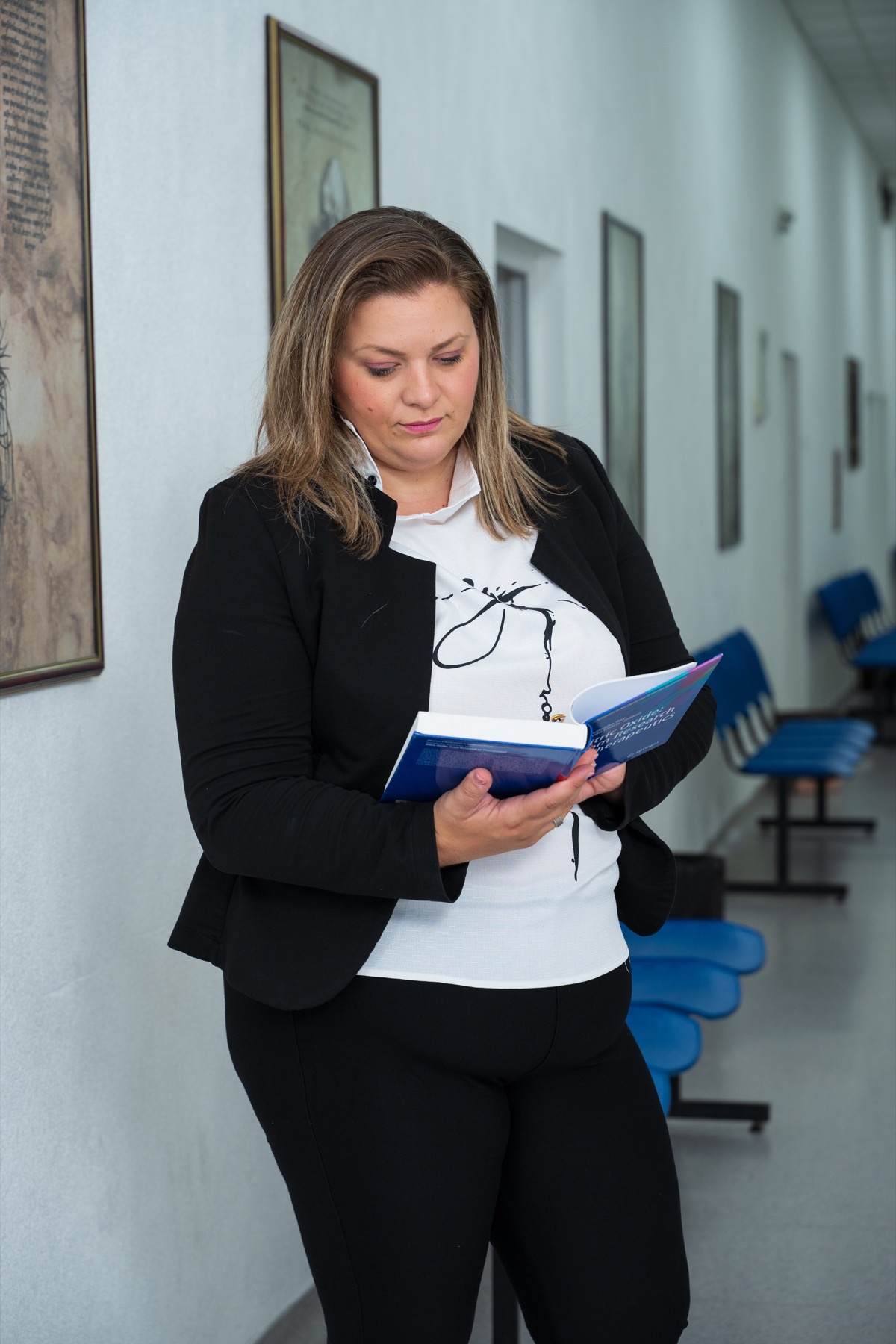
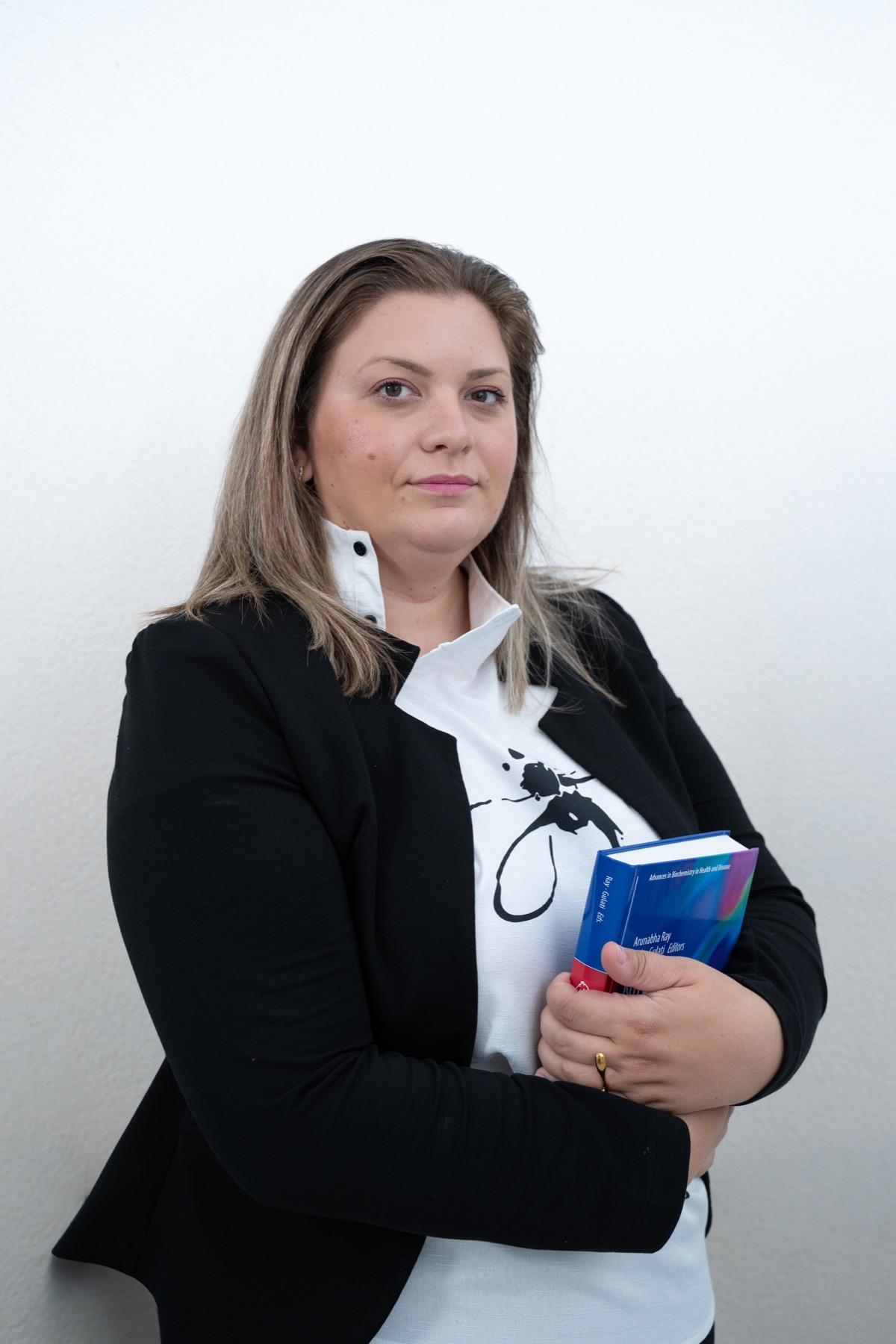
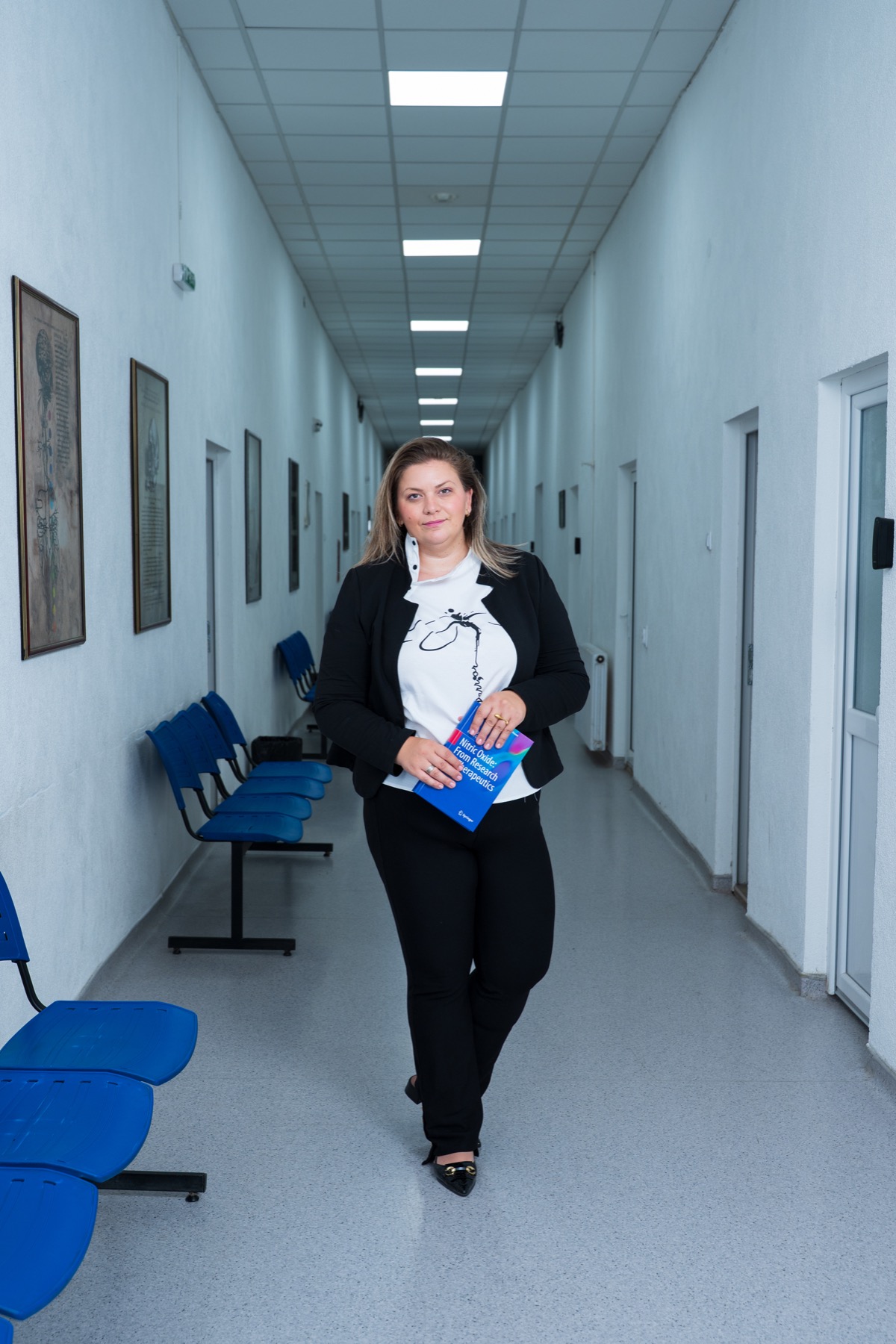
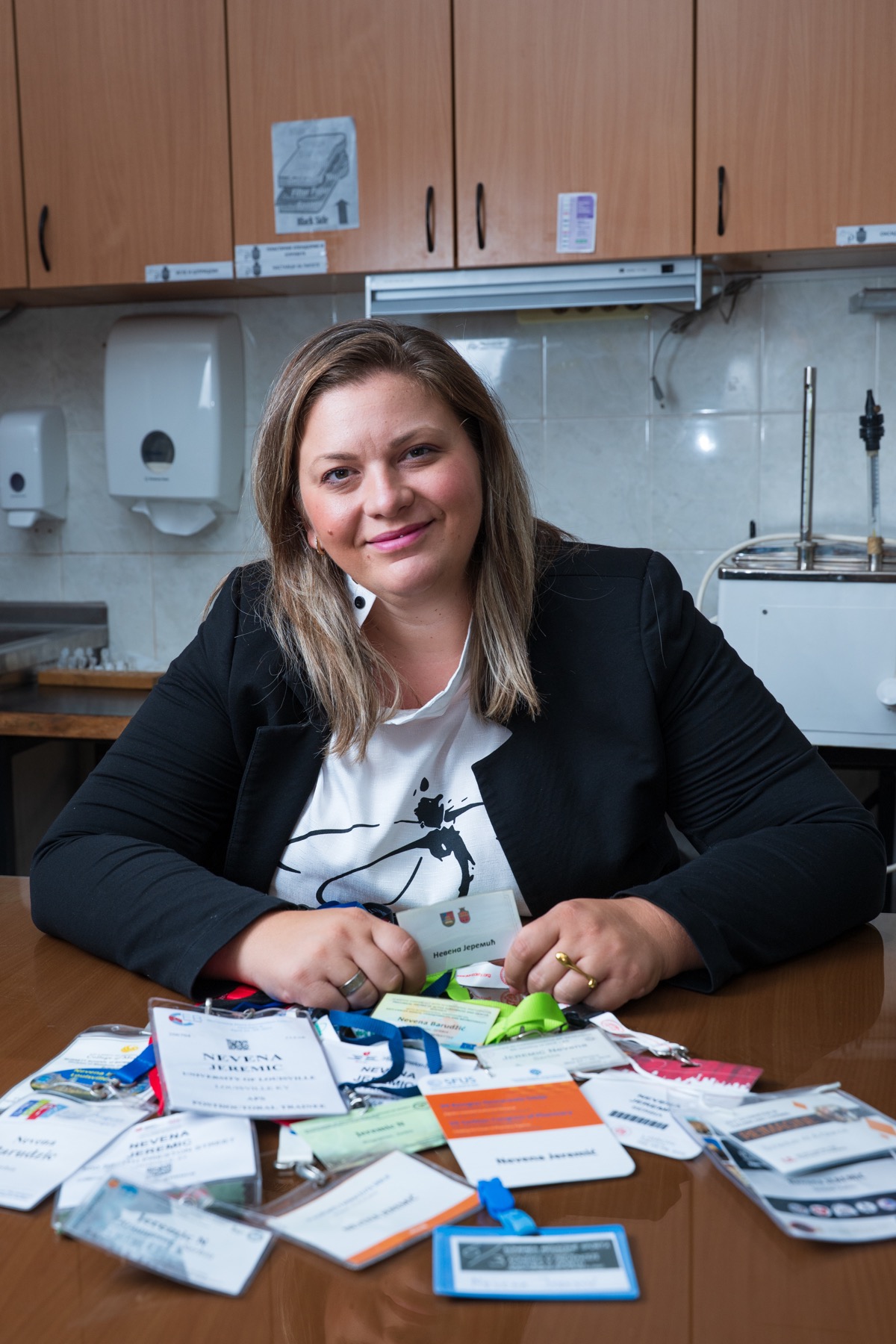
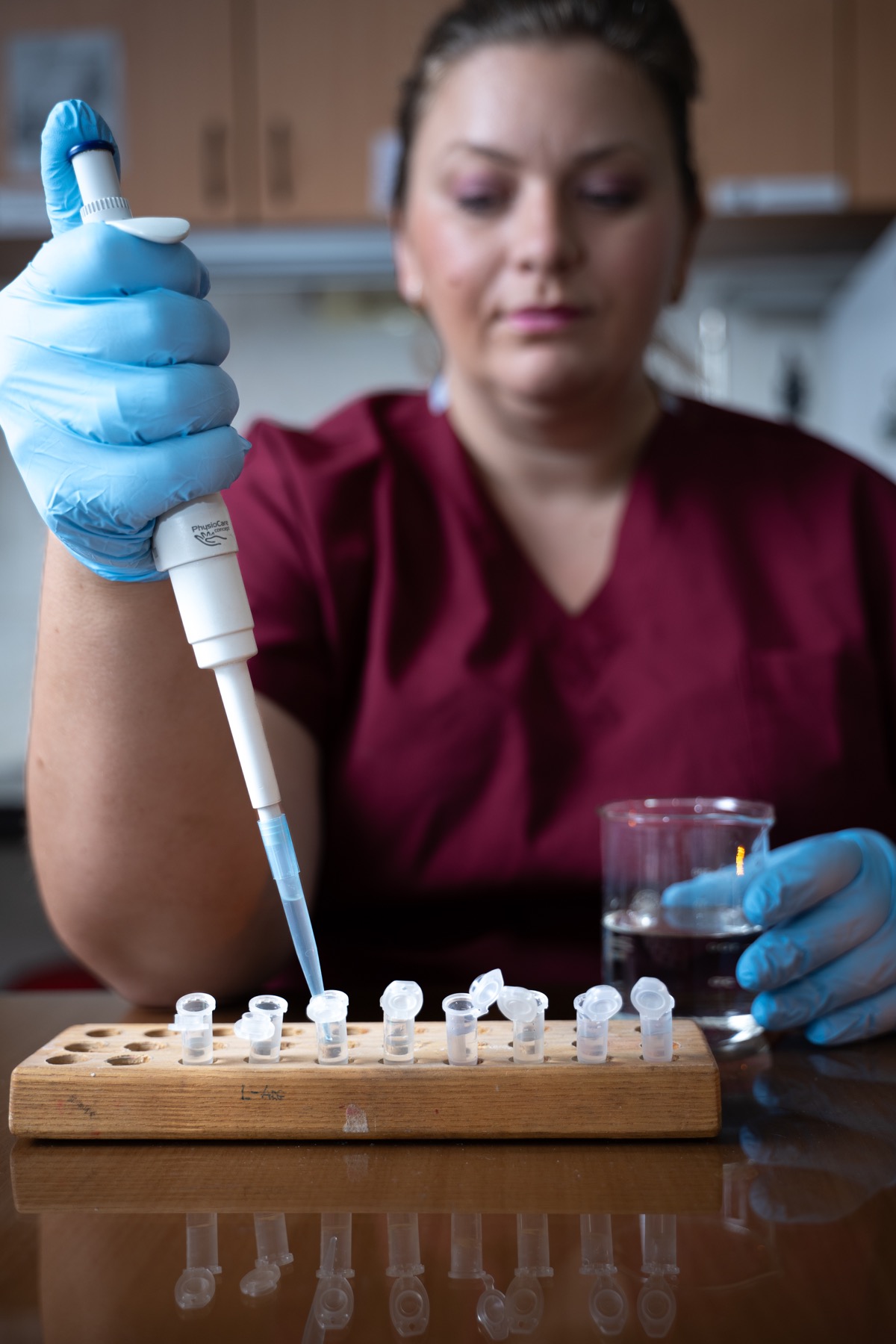
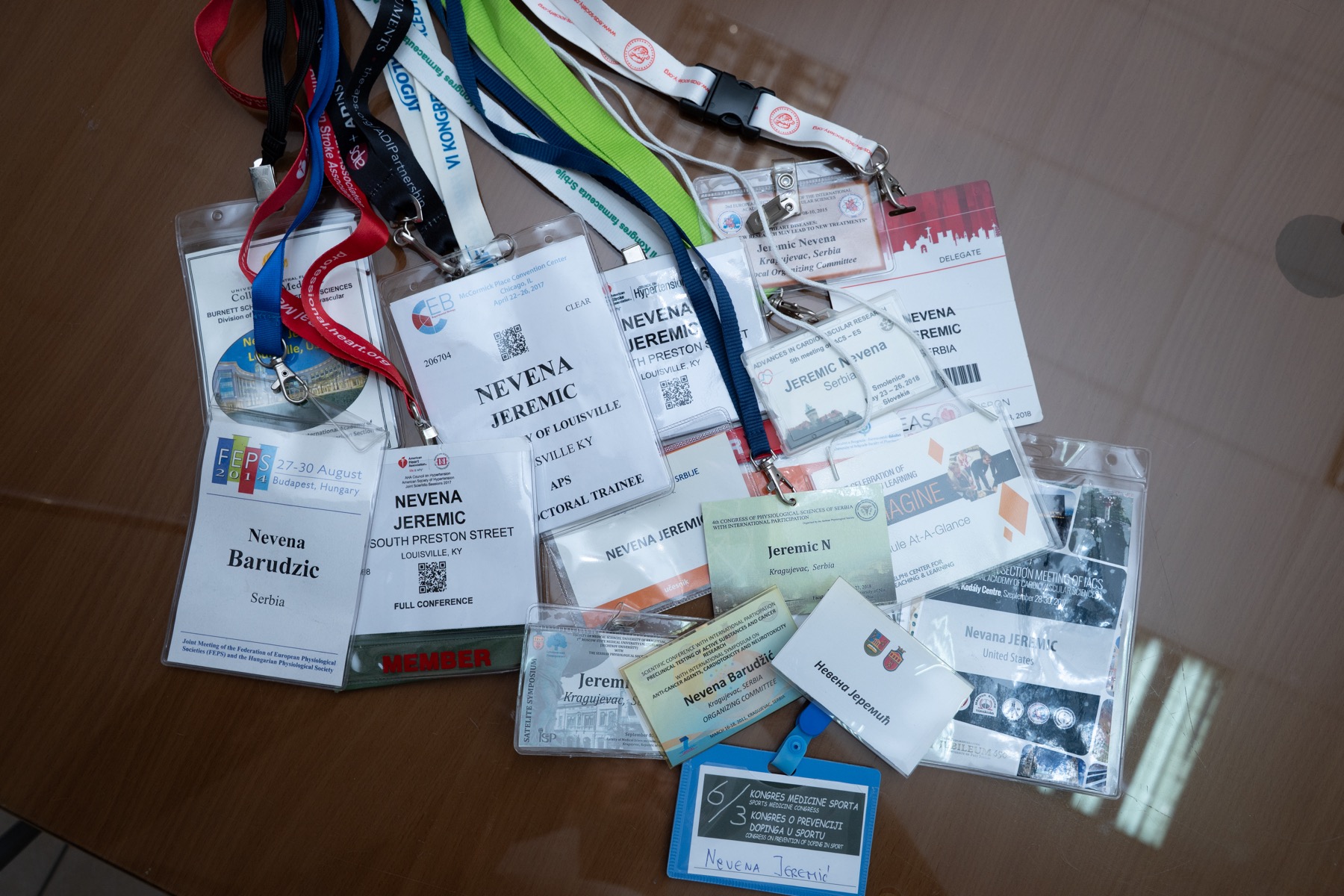
Dr. Nevena Jeremić in the laboratory Dr. Nevena Jeremić reading Dr. Nevena Jeremić with a book Dr. Nevena Jeremić in an academic corridor Dr. Nevena Jeremić with conference badges Laboratory portrait Laboratory research work Laboratory environment Dr. Nevena Jeremić
LabLifeHub

Instagram

LabLifeHub on Instagram

Short reflections on science, lab life and the stories behind research.

Follow on Instagram

Quiet the noise. Listen to science.

Welcome to LabLifeHub - where science is not a textbook heading, but a way of thinking.

View post

Want to work together?

Book a podcast guest appearance, an online lecture, or a research and writing consultation.

Photo

About me

Dr. Nevena Jeremić

Associate Professor of Pharmaceutical Chemistry · redox biology & cardiometabolic research.

I'm Dr. Nevena Jeremić, University Professor at the Faculty of Medical Sciences, University of Kragujevac and team member of the Center of Excellence for Investigation of Redox Balance in Cardiometabolic Disorders, and the Center for Preclinical and Functional Investigations, Faculty of Medical Sciences, University of Kragujevac, Serbia.

Here you can learn more about my research interests, explore my publications and collaborations, and connect regarding new national and international projects. I'm always open to interdisciplinary partnerships that bridge basic science and clinical application.

Thank you for visiting - I look forward to connecting and collaborating!

- Nevena Jeremić, PhD

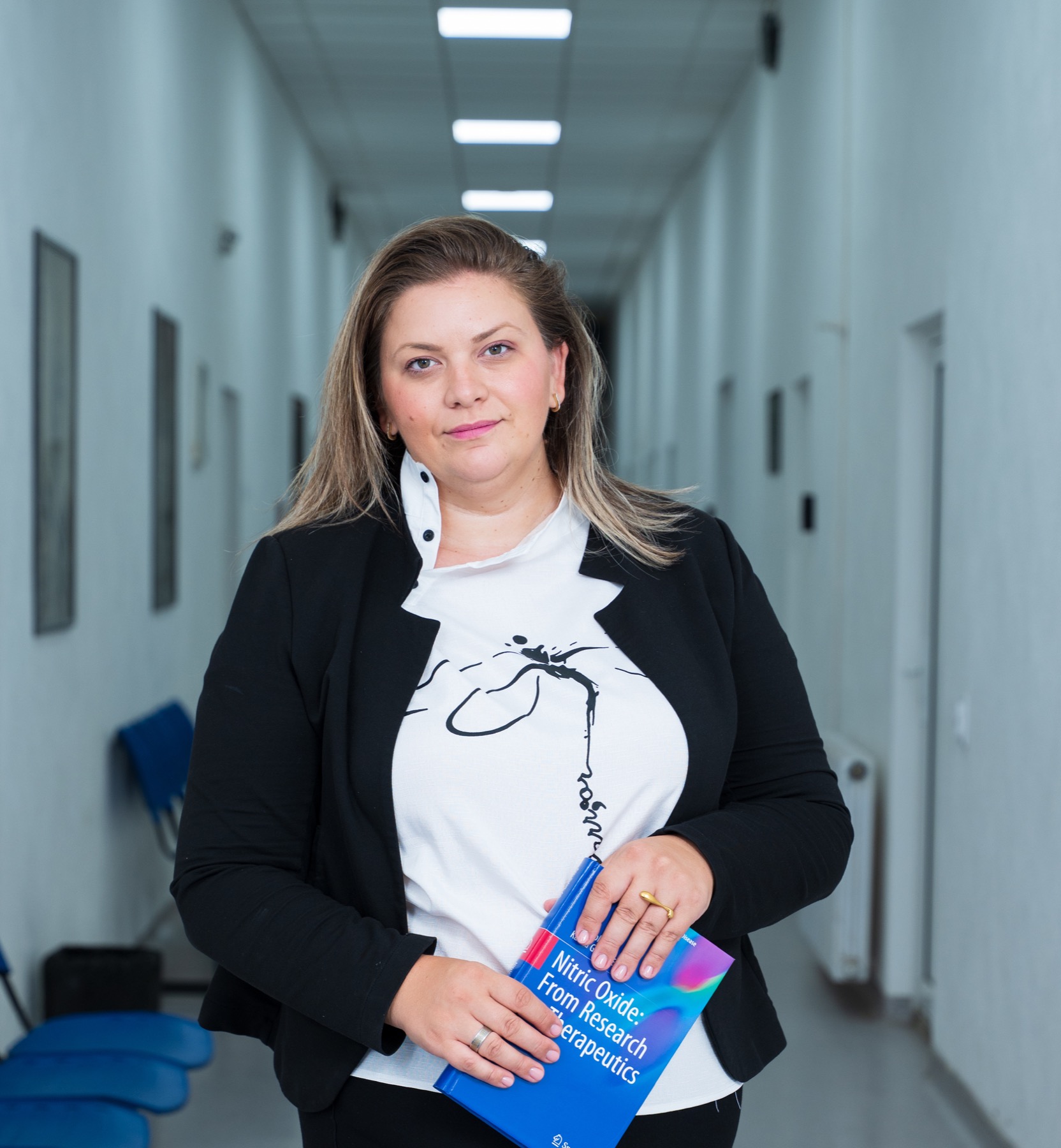
Dr. Nevena Jeremić with a book
International academic experience and collaboration.
University recognition ceremony
Recognition of women scientists at the University of Kragujevac.
Dr. Nevena Jeremić with a research collaborator
Research collaboration and knowledge exchange.

81+

Publications

1749

Citations

22

h-index

Academic path

Awards & recognition

    Memberships

      Skills & expertise

      In the media

      Selected stories about research, international collaboration and academic recognition.

      About LabLifeHub

      What is LabLifeHub?

      LabLifeHub is a science communication and education platform built by Dr. Nevena Jeremić to connect research, podcast conversations, academic mentoring and practical scientific training in one place.

      Dr. Nevena Jeremić and LabLifeHub
      LabLifeHub connects scientific identity, communication and education.

      A hub for people who want science to be stronger

      LabLifeHub is not only a personal website and not only a podcast page. It is structured as a scientific home base where different parts of the research ecosystem can meet: academic biography, research focus, podcast conversations, mentoring, workshops, guest applications and contact for collaboration.

      For researchers, it creates a route toward better study design, reproducibility, scientific writing and publication strategy. For companies, founders and innovators, it offers a scientific voice that can connect evidence, products, decisions and responsible communication. For students and early-career scientists, it shows that a career in science is not built from talent alone, but from structure, feedback, discipline and a community of thinking.

      The name LabLifeHub matters because the platform is about the life around the laboratory as much as the laboratory itself. It recognizes the human side of research while keeping the content grounded in academic standards, experimental logic and scientific responsibility.

      LabLifePodcast

      A space for clear, human and expert conversations about research, careers, innovation, lab life and the decisions behind better science.

      LabLifeAcademy

      A practical education and mentoring area focused on study design, reproducibility, laboratory workflow, writing and publication strategy.

      Research identity

      The platform is anchored in pharmaceutical chemistry, redox biology, cardiometabolic research and preclinical scientific practice.

      Who LabLifeHub is for

      Master students, PhD candidates, postdocs and early-career researchers who need structure, feedback and a clearer research plan.

      Research teams that want to understand why experiments fail, how reproducibility can be improved and how documentation can prevent expensive mistakes.

      Scientists, clinicians, innovators and founders who want to share evidence-based stories through LabLifePodcast.

      Institutions, laboratories and organizations looking for lectures, workshops or collaboration with a researcher who understands both academic rigor and communication.

      Scientific reading and knowledge exchange
      Science communication starts with reading, thinking and careful interpretation.

      LabLifeHub turns scientific experience into useful direction

      The platform gives one clear place for learning about Dr. Nevena Jeremić, discovering LabLifePodcast, exploring LabLifeAcademy offers and starting a serious conversation about better research, stronger teams and more responsible science communication.

      Research mentoring

      Why research mentoring matters

      Research mentoring helps scientists move from scattered effort to structured scientific progress. It brings hypothesis, study design, reproducibility, workflow and publication strategy into one coherent plan.

      Dr. Nevena Jeremić in scientific work
      Mentoring connects scientific thinking with practical laboratory decisions.

      The problem is rarely effort - it is often structure

      Many researchers work extremely hard, but hard work alone does not guarantee a strong study. A project can lose months because the hypothesis is not sharp enough, the aims do not follow logically, the control groups are incomplete, the sample size is weak, or the workflow cannot be reproduced by another person in the same lab.

      This is why research mentoring is not a luxury. It is a way to protect time, resources and scientific credibility. A good mentor helps the researcher see the whole project from above: what the project is trying to prove, where the logic is fragile, where bias can enter, where methods may fail and how results can eventually become a publishable scientific story.

      For Master students, PhD candidates, postdocs and early-career scientists, this kind of guidance can change the rhythm of a project. Instead of reacting to problems only after they appear, mentoring creates a proactive structure: clarify the hypothesis, redesign the study, standardize documentation, plan statistics earlier and connect the experiment with publication from the beginning.

      LabLifeAcademy mentoring is built around that practical need. It is not abstract motivation. It is project audit, study design development, reproducibility review, laboratory workflow optimization, scientific writing and publication strategy.

      Project audit

      Hypothesis, aims, logical flow, methodology, weaknesses, redesign recommendations and risk assessment.

      Study design

      Model selection, control groups, randomization, blinding, statistical plan and bias prevention.

      Reproducibility

      Protocols, lab notebooks, reagent tracking, error-prevention systems and negative-result analysis.

      Publication strategy

      Manuscript structure, figure storytelling, journal selection and planning how a project becomes a paper.

      Scientific presentation and research discussion
      Strong research needs clear design before it becomes a clear presentation.

      Why this work is important

      A weak design can make even a promising idea difficult to interpret. If controls are not clear, if bias is not reduced, if the workflow is not documented, the final result may be scientifically fragile even when the researcher has invested serious effort.

      Better mentoring improves more than one project. It teaches a way of thinking that a researcher carries into the next experiment, the next paper, the next collaboration and the next team. It strengthens scientific independence because the researcher learns how to ask better questions and defend better decisions.

      This is especially important in early-career science, where one project can shape confidence, publication trajectory and professional identity. Structured support can turn confusion into direction and make the difference between simply collecting data and building a coherent scientific contribution.

      Start with a booking request

      Why Dr. Nevena Jeremić's background fits this work

      Dr. Nevena Jeremić's work sits at the intersection of pharmaceutical chemistry, redox biology, cardiometabolic research and preclinical models. That combination is valuable for mentoring because it connects molecular reasoning with experimental design, laboratory practice and translational thinking.

      Her academic path includes research, teaching, mentorship, international collaboration and scientific publishing. LabLifeAcademy uses that experience in a practical way: to help researchers inspect their projects honestly, improve weak points, document work better and plan the next 6 months with more scientific confidence.

      Research mentoring turns scattered work into a stronger scientific plan

      If your project needs clearer logic, better design, stronger reproducibility or a more realistic publication route, LabLifeAcademy offers focused formats that start from your real research problem.

      Failure in science

      Why experiments fail

      Failed experiments are not only setbacks. When they are analyzed correctly, they become data that can reveal bias, weak design, documentation gaps, technical variability and opportunities to build better science.

      Laboratory context and experimental science
      Understanding failure is part of building a stronger experimental culture.

      Failure is not the end of an experiment - it is the beginning of analysis

      In research, an experiment can fail for many reasons. Sometimes the hypothesis is wrong. Sometimes the hypothesis is promising, but the design is not strong enough to test it. Sometimes the result is genuinely negative. Sometimes the result is shaped by technical error, reagent variability, insufficient statistical power, environmental conditions, animal model limitations or documentation gaps.

      The danger is not failure itself. The danger is moving on without understanding what the failure means. When a team does not reconstruct the workflow, identify confounders, examine controls and distinguish true negative results from technical failure, the same problem can repeat across experiments, students, reagents and projects.

      This is why the LabLifeAcademy workshop begins from a simple scientific principle: failure is data. A failed experiment contains information about the design, the workflow, the assumptions, the documentation and the system in which the experiment was performed.

      When that information is treated seriously, failure becomes a tool for better design. It can refine a hypothesis, reveal a missing control, expose bias, show where randomization or blinding is needed, improve laboratory notebooks and save future time, money and resources.

      Weak experimental design

      Experiments fail when the design cannot answer the question clearly: missing controls, weak model selection, unclear aims, lack of randomization, lack of blinding or underpowered statistics.

      Reagent and technical variability

      Batch differences, reagent tracking problems, environmental variability and technical inconsistency can turn a good idea into results that are difficult to interpret.

      Poor documentation

      Small undocumented changes can create large scientific problems. Lab notebook structure, protocol versioning and workflow records are part of reproducibility.

      Bias and interpretation errors

      Bias can enter through selection, measurement, analysis and expectation. Teams need structure to separate what the data show from what they hoped to see.

      Scientific work and laboratory methods
      Laboratory workflow is part of scientific reasoning, not only technical execution.

      What the workshop teaches

      The workshop teaches research teams how to analyze failed experiments through a structured approach. Participants learn to examine root causes, reconstruct the workflow, identify confounders, analyze negative results and understand the difference between a true negative outcome and a technical failure.

      It also covers laboratory errors and documentation: common mistakes, reagent tracking, batch variability, lab notebook structure, systems that prevent data loss and standardized workflow as a condition for reproducibility.

      Finally, the workshop connects failure to translational thinking. Failed experiments can guide clinical relevance, improve bench-to-bedside logic and help researchers refine hypotheses rather than abandon them too early.

      View workshop details

      Why this matters for better science

      It saves resources

      A structured failure analysis can prevent the same mistake from consuming more reagents, animals, samples, time and funding.

      It protects scientific credibility

      When documentation, bias reduction and reproducibility are taken seriously, the research team can defend its decisions with more confidence.

      It trains better researchers

      A scientist who understands failure learns how to design better experiments, ask better questions and interpret unexpected results more carefully.

      The goal is not to avoid every failed experiment. The goal is to learn from failure correctly.

      LabLifeAcademy helps research teams treat failed experiments as structured information that can improve design, workflow, documentation, reproducibility and scientific reasoning.

      Research

      Research focus

      My work sits at the interface of pharmaceutical chemistry, redox biology and cardiometabolic research - with an emphasis on molecular mechanisms of cardiovascular protection and translational therapeutic strategies.

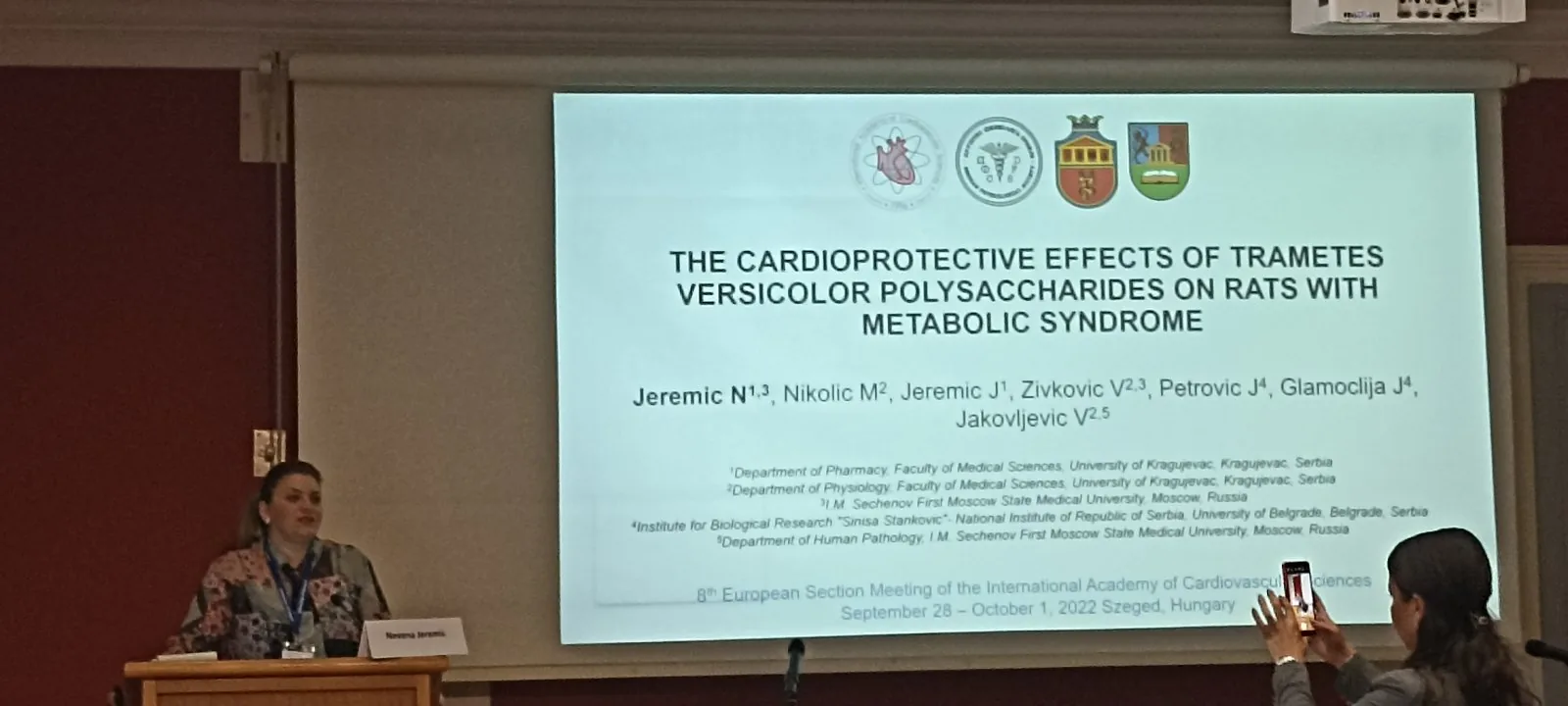
      Dr. Nevena Jeremić presenting cardiovascular research
      Presenting current cardiometabolic research.
      Dr. Nevena Jeremić in the laboratory
      Not just attending conferences - building a life in science.
      Scientific presentation by Dr. Nevena Jeremić
      Sharing research results with the international scientific community.

      Cardiovascular protection

      Molecular mechanisms of cardioprotection and ischemia-reperfusion in the isolated heart.

      Redox biology

      Redox signaling and oxidative stress as drivers of disease and therapeutic targets.

      Pharmaceutical chemistry

      Drug-target interactions and biochemical characterization of novel compounds.

      Cardiometabolic disease

      Metabolic syndrome, diabetes and adipose-tissue browning.

      Natural products

      Plant-derived compounds such as diallyl trisulfide (garlic) and Galium verum.

      Preclinical models

      18+ years with rodent models in experimental pharmacology and physiology.

      Selected publications

      A selection from 81+ peer-reviewed articles (Scopus: 1749 citations, h-index 22).

      Books & chapters

      Academic activity

      Mentoring

      Supervised 3 completed PhD theses and 9 master theses in pharmaceutical chemistry; PhD mentor since 2018.

      Guest editor

      Pathophysiology and Frontiers in Physiology special issues on cardiovascular physiology.

      Peer reviewer

      Scientific Reports, Aging, Molecular and Cellular Biochemistry, Frontiers, and more.

      Turn strong research into stronger study design

      Use this research background as a starting point for mentoring, workshops or a focused LabLifeAcademy session.

      LabLifePodcast

      The Scientific Voice Above the Noise.

      LabLifePodcast is hosted by Dr. Nevena Jeremić. Honest conversations about life in science - from the bench and the lab to designing experiments and publishing better research. It brings clarity to complex research topics and showcases how companies, innovators, and founders use science to build stronger products, better decisions, and successful businesses.

      What to expect

      Researcher stories

      Candid talks with scientists about the real life behind the papers.

      Better science

      Practical tips on study design, writing and publishing.

      Career & lab life

      Navigating academia, mentorship and the path through a PhD.

      Episodes

      Have a scientific story worth sharing?

      Suggest a guest, propose a topic, or join LabLifePodcast as a researcher, clinician, innovator or founder.

      Be a guest

      LabLifeAcademy

      Empowering Scientists to Build Better Research

      Individual mentoring and advanced workshops that strengthen study design, experimental strategy, reproducibility, and publication success.

      Dr. Nevena Jeremić in an academic corridor
      Academic training grounded in real research practice.
      Premium individual retreat

      1:1 Research Retreat

      A fully personalized, intensive scientific mentoring experience for Master, PhD, Postdoc and early-career researchers - built to strengthen your study design, reproducibility and 6-month research plan.

      What You Will Gain

      Full Scientific Project Audit

      Hypothesis, aims, methodology, weaknesses, redesign recommendations and risk assessment.

      Complete Study Design Development

      Model selection, controls, randomization, blinding, statistical plan and bias prevention.

      Reproducibility & Workflow Optimization

      Protocols, lab notebooks, reagent tracking, error prevention and negative result analysis.

      Scientific Writing & Publication Strategy

      Manuscript structure, figure storytelling, journal strategy and turning projects into papers.

      Retreat Formats & Pricing

      Advanced group workshop

      Failure in Science: “Why Experiments Fail” Workshop

      Advanced workshop for group of scientists.

      Failure is not a setback - it is data. This workshop teaches research teams how to analyze failed experiments, identify the true causes behind negative or inconsistent results, and transform failure into strategic improvement. It covers the core principles of reproducibility, bias reduction, proper documentation, and scientific reasoning that directly save time, money, and resources.

      This workshop covers topics

      Why Experiments Fail

      Understanding the root causes of failure. Topic includes bias, randomization errors, lack of blinding, statistical underpowering, flawed experimental design, reagent variability, animal model limitations, environmental and technical variability.

      How to Analyze a Failed Experiment

      A structured approach to diagnosing what went wrong. Topic includes reconstructing the workflow, identifying confounders, analyzing negative results, distinguishing true negative vs. technical failure, interpreting unexpected outcomes, and learning from reproducibility issues.

      Laboratory Errors & Documentation

      How small mistakes create large failures. Topic includes common lab errors, reagent tracking and batch variability, proper lab notebook structure, documentation systems that prevent data loss, and reproducibility through standardized workflow.

      Translational Impact of Failure

      How failed experiments shape better science. Topic includes connecting failure to improved design, bench -> bedside logic, how negative results guide clinical relevance, and using failure to refine hypotheses.

      Format & Premium Pricing

      • Format: 90 minute Zoom workshop
      • Group size: up to 100 participants (minimum 10 participants)
      • Price: $25 per workshop topic per person

      Scientific writing

      Workshops and consultations for manuscripts, structure, clarity and publication strategy.

      Research design

      Support for designing stronger, clearer and more publishable experimental studies.

      Online lectures

      Lectures and training sessions for students, researchers, groups and events.

      Mentorship

      Guidance for PhD candidates, young researchers and academic career development.

      Preclinical methods

      Training rooted in 18+ years of preclinical pharmacology and physiology experience.

      International collaboration

      Support for national and international scientific projects and partnerships.

      Dr. Nevena Jeremić reading Dr. Nevena Jeremić with academic badges Dr. Nevena Jeremić in the laboratory

      Ready to strengthen your research?

      Choose a retreat or workshop and send a request in one click.

      LabLifeAcademy service

      One-Day Intensive Retreat

      A focused 4-5 hour individual research retreat for researchers who need a fast, structured, expert review of their project and a clear action plan.

      Scientific scope of the retreat

      Full scientific project audit

      The project is reviewed through hypothesis evaluation, aims, logical flow, methodology critique, weakness identification, redesign recommendations and risk assessment.

      Complete study design development

      The design work covers model selection, in vitro, in vivo or clinical logic, control groups, randomization, blinding, statistical plan, sample-size justification and bias-prevention strategies.

      Reproducibility and laboratory workflow

      The workflow review focuses on standardized protocols, lab notebook structure, reagent tracking, error-prevention systems, negative-result analysis and a reproducibility framework.

      Scientific writing and publication strategy

      The publication work includes manuscript structure, storytelling through figures, writing introduction, results and discussion, journal selection strategy and planning how one project can become multiple papers.

      What you get

      Scientific project audit

      A structured review of your hypothesis, aims, methodology, logic flow, weak points and scientific risk.

      Study design corrections

      Practical recommendations for model selection, controls, randomization, blinding, statistics and bias prevention.

      Reproducibility check

      Review of protocols, lab notebook structure, reagent tracking and error-prevention points that may affect results.

      Six-month action plan

      A clear priority list for next experiments, writing tasks and project decisions after the retreat.

      How it works

      1. Submit your project context

      You send the core research question, current design, main problem and any specific decision you need help with.

      2. Work through the project live

      The session focuses on the most important scientific risks, design choices and publication-relevant improvements.

      3. Leave with a usable plan

      You finish with concrete next steps, stronger study logic and a clearer route for the following months.

      Book One-Day Retreat

      LabLifeAcademy service

      Two-Day Premium Retreat

      A deeper two-session research transformation for researchers who need time to redesign the project, strengthen reproducibility and shape a publication strategy.

      Scientific scope of the retreat

      Full scientific project audit

      The project is reviewed through hypothesis evaluation, aims, logical flow, methodology critique, weakness identification, redesign recommendations and risk assessment.

      Complete study design development

      The design work covers model selection, in vitro, in vivo or clinical logic, control groups, randomization, blinding, statistical plan, sample-size justification and bias-prevention strategies.

      Reproducibility and laboratory workflow

      The workflow review focuses on standardized protocols, lab notebook structure, reagent tracking, error-prevention systems, negative-result analysis and a reproducibility framework.

      Scientific writing and publication strategy

      The publication work includes manuscript structure, storytelling through figures, writing introduction, results and discussion, journal selection strategy and planning how one project can become multiple papers.

      What you get

      Full project audit

      A detailed assessment of hypothesis strength, aims, logic flow, methodology, missing controls and scientific risk.

      Complete study design development

      A stronger design with model choice, control groups, randomization, blinding, statistical logic and sample-size thinking.

      Workflow optimization

      Practical systems for protocols, documentation, reagent tracking, negative-result analysis and reproducible workflow.

      Publication strategy

      Guidance on manuscript structure, figure storytelling, journal selection and how one project may lead to more than one paper.

      How it works

      1. Day one - audit and redesign

      The first session identifies weak points, methodological risks and the most important redesign decisions.

      2. Day two - workflow and publishing

      The second session turns the redesigned project into a practical workflow and publication-oriented plan.

      3. Leave with a transformed project

      You finish with stronger scientific logic, clearer methodology and a practical roadmap for execution.

      Book Two-Day Retreat

      LabLifeAcademy service

      Retreat + 30-Day Follow-Up Mentoring

      A premium package for researchers who do not only need advice, but also structured support while they implement it.

      Scientific scope of the retreat

      Full scientific project audit

      The project is reviewed through hypothesis evaluation, aims, logical flow, methodology critique, weakness identification, redesign recommendations and risk assessment.

      Complete study design development

      The design work covers model selection, in vitro, in vivo or clinical logic, control groups, randomization, blinding, statistical plan, sample-size justification and bias-prevention strategies.

      Reproducibility and laboratory workflow

      The workflow review focuses on standardized protocols, lab notebook structure, reagent tracking, error-prevention systems, negative-result analysis and a reproducibility framework.

      Scientific writing and publication strategy

      The publication work includes manuscript structure, storytelling through figures, writing introduction, results and discussion, journal selection strategy and planning how one project can become multiple papers.

      What you get

      Initial retreat

      A one-day or two-day intensive research retreat focused on your project, study design and priority decisions.

      Structured feedback

      Feedback on revised design, protocols, figures, manuscript structure or specific implementation questions.

      Implementation guidance

      Support for turning recommendations into decisions, tasks and a realistic research workflow.

      Plan refinement

      Adjustments to your plan as new constraints, data, negative results or publication decisions appear.

      How it works

      1. Start with an intensive retreat

      The project is reviewed, redesigned and organized into a clear set of priorities.

      2. Implement with support

      During the next 30 days, you use the plan and receive guidance on agreed project materials and questions.

      3. Finish with sharper direction

      The goal is not just advice, but a stronger project that has moved forward in practice.

      Book Follow-Up Mentoring

      LabLifeAcademy service

      Failure in Science Workshop

      An advanced workshop for scientific groups that teaches teams how to analyze failed experiments, reduce bias and transform inconsistent results into better research decisions.

      Workshop focus

      Failure is treated as data

      The workshop frames failed experiments as information that can reveal weaknesses in design, workflow, documentation, reproducibility and scientific reasoning.

      The goal is strategic improvement

      Teams learn to identify the true causes behind negative or inconsistent results and transform those findings into better experimental strategy.

      Core principles

      The training covers reproducibility, bias reduction, proper documentation and scientific reasoning as practical tools that save time, money and resources.

      Research-team format

      The format is a 90 minute Zoom workshop for groups of scientists, with up to 100 participants and a minimum of 10 participants.

      What you get

      Why experiments fail

      Root causes of failure, including bias, randomization errors, lack of blinding, statistical underpowering, flawed experimental design, reagent variability, animal model limitations, and environmental or technical variability.

      How to analyze a failed experiment

      A structured diagnostic approach: reconstructing the workflow, identifying confounders, analyzing negative results, distinguishing true negative outcomes from technical failure, and interpreting unexpected findings.

      Laboratory errors and documentation

      How small mistakes become large scientific problems through reagent tracking, batch variability, weak lab notebook structure, data loss and non-standardized workflow.

      Translational impact of failure

      How failed experiments can improve design, clarify bench-to-bedside logic, refine hypotheses and guide clinically relevant research decisions.

      How it works

      1. Choose the workshop topic

      The group can focus on one topic or combine several topics, depending on time, audience and training goals.

      2. Train around real research problems

      The workshop connects reproducibility, bias reduction, documentation and scientific reasoning to practical lab decisions.

      3. Leave with better failure logic

      Participants learn to treat failed experiments as data that can improve the next design instead of only as a setback.

      Book Science Workshop

      LabLifeAcademy booking

      Book a LabLifeAcademy offer

      Choose a premium retreat or workshop, pick a date, and send your request. You'll receive a reply to confirm the details.

      Be Podcast guest

      2 · Your details

      Choose the language for this LabLifeAcademy offer.

      Reviews

      Share your experience

      Have you collaborated with Dr. Nevena Jeremić, attended a lecture, or received research or writing mentorship? Your feedback can help future collaborators know what to expect.

      Thoughtful, verified testimonials

      Every submission is reviewed before publication. Email addresses remain private, and no review appears automatically.

      Only your name, professional role or institution, and approved review may be displayed.

      Leave a review

      Required fields help us confirm that the testimonial is genuine.

      LabLifePodcast guest application

      Be a guest on LabLifePodcast

      Share your scientific story, research path, professional experience, or innovation journey. This form helps Dr. Nevena Jeremić understand who you are, what you work on, and why your perspective would be valuable for the podcast audience.

      What to include

      • Your current title, institution, company, laboratory, or professional role.
      • Where you studied, worked, researched, taught, built, founded, or collaborated.
      • Why you want to participate and what story, topic, or expertise you can bring.
      • Optional papers, profiles, websites, projects, or social links that help introduce your work.

      Podcast guest details

      Please write enough detail for a thoughtful first review. Publications and links are optional, but useful.

      Contact

      Get in touch

      For collaborations, lectures, podcast guesting or mentorship, reach out through any of the channels below.

      Send a message

      Fill in the form below and your message will reach her directly.

      Follow me on YouTube Follow on Instagram